Clayton Heights in Surrey, B.C.
March 14, 2026 By: Michelle Anderson
Location:
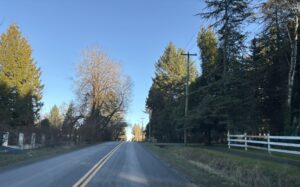
I live in Clayton Heights, a vibrant suburban community in Surrey, British Columbia, Canada. Clayton Heights is known for its family-friendly neighbourhoods, walkable streets, nearby parks, and a strong sense of community, making it a wonderful place to live and raise my children. I moved here in 2001 to start a family and have not left! The area is especially recognized for its newer housing developments, local schools, farms, and easy access to green spaces, blending agriculture with suburban comfort including outdoor living. With its welcoming atmosphere and growing community, Clayton reflects the diverse and connected heart of Surrey.
Over the last 25 years, I’ve watched farms and acreage lots give way to townhouses, massive new schools, and (most recently) SkyTrain construction threading through our neighbourhood. My first house at 74 Ave & 184 St backed onto acreage: neighbours kept horses, cows, chickens; we had a big vegetable garden and backyard bonfires; one neighbour had a baseball diamond in their yard, while another had a half-pipe skateboard ramp. Our children went to a tiny farmhouse school, Clayton Elementary, and now there are four new, large elementary schools and two new high schools nearby.
Before settlers arrived, the Clayton/Serpentine Flats area was occupied and used seasonally by Coast Salish peoples, in particular Katzie and Semiahmoo peoples, who fished, hunted and gathered in the lowlands and river channels that drain to Mud Bay and the Fraser River. The wet meadows, creeks and river channels were important salmon and waterfowl habitat, and the land provided camas, berries and other traditional foods and materials.[1]
Euro‑American settlement began in the 1880s: the first Crown grant in the Serpentine, “Clover Valley” area, was recorded in 1883, and by the 1890s Clayton had a railway station, post office, general store, schools and a lumber mill. Early economic life shifted from logging (rail spurs and mills) to agriculture as forests were cleared and the clay‑loam soils were found excellent for grain, vegetables and pasture. Historical descriptions note abundant clover, pasture, and even “large numbers of deer and bear” in the early settlement era.[2]
Historically the Serpentine Valley and Nicomek (Serpentine) waterways and nearby lowlands were wetland‑rich and seasonally inundated, ideal for waterfowl, salmon runs in side channels, amphibians, and riparian forest species. Today, remnants of these wetlands survive in parklands (Green Timbers, Surrey Lake Park, Serpentine Wildlife Management Area) and stormwater ponds. They still host birds, beavers, and seasonal fish use, though altered channelization and dykes have changed hydrology and habitat. The City of Surrey recognizes these wetlands and highlights Serpentine as a key wildlife area.[3]
Like much of the Lower Mainland, disturbed edges, hedgerows and abandoned fields around Clayton have been colonized by aggressive non‑native plants. Himalayan (Armenian) blackberry and Scotch broom are widespread across Surrey and were noted as covering many green spaces within decades of settlement; reed‑canary grass and Japanese knotweed also threaten wetlands and riparian zones. These invasives change understory structure, crowd native plants, and alter habitat for insects and birds. Surrey’s local invasive‑plant guidance and vegetation management strategy document these species as priorities across city lands.[4]
From the 1960s onward, improved highways and regional planning converted many agricultural and rural lots to industrial and then residential uses. In the last 25 years, subdivision of acreage into smaller lots, large townhouse developments, and new school campuses have reshaped the landscape old farm silos and barns remain as heritage markers in some places, but much farmland has been urbanized. The most striking recent change is the Surrey–Langley SkyTrain extension construction that began in 2024 and has visible columns, station sites and worksites along the Fraser Highway corridor. An infrastructure change that will further intensify development and alter local stormwater and movement patterns. [5]
As development accelerated, the city and community groups also began responding with stewardship actions that aim to retain some ecological function and local food security:
- Stormwater and Low Impact Development (LID): New neighbourhood plans and the City’s drainage policies increasingly require sustainable drainage features (bioretention, dry swales, detention/retention ponds and other LID measures) to slow, clean and infiltrate runoff rather than simply piping it away. The Upper Serpentine Integrated Stormwater Management Plan and Surrey’s sustainable drainage guidance show these approaches being planned or required in new developments. These features both reduce downstream flood risk and create small wetland‑like habitats in some neighbourhoods.[6]
- Community gardens and local food: Surrey supports several community gardens in the Cloverdale/Clayton area, such as the Clayton Park Garden and gardens at the Clayton Community Centre, and local grassroots groups (seed libraries, school gardens) link residents to food production and pollinator habitat. We have a community garden in the townhouse complex that I currently live in, which is a direct contrast to the former acres of private vegetable plots I remember. Community garden programs are part of city parks amenities and are actively managed by volunteers.[7]
- Regionally, Metro Vancouver’s Green Bin/food scraps recycling and processing programs provide the infrastructure for households and multifamily buildings to divert food and yard waste from landfill into compost (or energy/biogas at some processing sites). This regional organic system is an important piece of local stewardship, and municipal guidance encourages food scrap diversion and backyard/municipal programs.[8]
- Invasive‑plant outreach and tree/vegetation policies: Surrey runs invasive‑plant information and tree retention/mitigation policies tied to development approvals; municipal strategies try to balance tree loss for development with replacement and protected urban canopy goals.[9]
From horse paddocks and backyard bonfires to new schools, townhouses and a SkyTrain line bisecting the corridor, Clayton’s landscape has been reshaped by settlement, extraction, farming, and now rapid suburbanization. Yet the neighbourhood is also seeing efforts to keep ecological functions, such as stormwater best practices, community gardens, seed libraries, and region‑wide organics programs, woven into the urban fabric. If we want the next 25 years to keep some of the soils, pollinators, and small wetland birds I grew up with, the obvious work is local: support LID and green infrastructure in new builds, volunteer in community gardens, remove invasives where you can, and use the green‑bin/composting systems that Metro Vancouver and Surrey provide. Those are small, practical
[1] City of Surrey (March 2011) “West Clayton Heritage Study.” City of Surrey. Accessed March 14, 2026. https://www.surrey.ca/sites/default/files/media/documents/West_Clayton_Heritage_Study_-_March_2011.pdf
[2] City of Surrey (March 2011) “West Clayton Heritage Study.” City of Surrey. Accessed March 14, 2026. https://www.surrey.ca/sites/default/files/media/documents/West_Clayton_Heritage_Study_-_March_2011.pdf
[3] City of Surrey (March 2011) “West Clayton Heritage Study.” City of Surrey. Accessed March 14, 2026. https://www.surrey.ca/sites/default/files/media/documents/West_Clayton_Heritage_Study_-_March_2011.pdf
[4] City of Surrey (2026) “5 Actions to Help Stop the Spread of Invasive Plants.” City of Surrey. Accessed March 14, 2026. https://www.surrey.ca/news-events/news/5-actions-help-stop-spread-of-invasive-plants?utm_source
[5] City of Surrey (March 2011) “West Clayton Heritage Study.” City of Surrey . Accessed March 14, 2026. https://www.surrey.ca/sites/default/files/media/documents/West_Clayton_Heritage_Study_-_March_2011.pdf
[6] City of Surrey (May 2015) “Upper Serpentine Integrated Stormwater Management Plan.” City of Surrey. Accessed March 14, 2026. https://www.surrey.ca/sites/default/files/media/documents/UpperSerpentineISMP.pdf?utm_source=openai
[7] City of Surrey (2026) “Community Gardens.” City of Surrey. Accessed March 14, 2026. https://www.surrey.ca/parks-recreation/parks/park-features-amenities/community-gardens?utm_source
[8] Metro Vancouver. “Food Scraps Aren’t Garbage.” Metro Vancouver. Accessed March 14, 2026. https://metrovancouver.org/foodscraps?utm_source
[9] City of Surrey (2026) “5 Actions to Help Stop the Spread of Invasive Plants.” City of Surrey. Accessed March 14, 2026. https://www.surrey.ca/news-events/news/5-actions-help-stop-spread-of-invasive-plants?utm_source