Exercise #1: Local Environmental History
Instructions
For Exercise #1, you will bring environmental concepts home by looking at your neighbourhood’s environmental history.
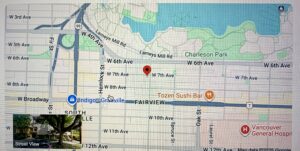
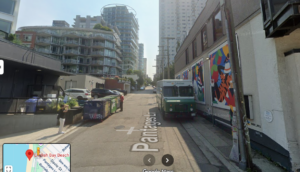
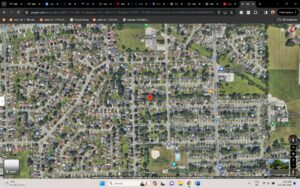
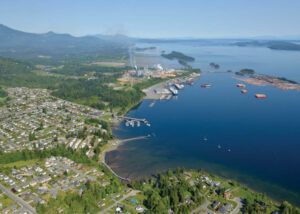
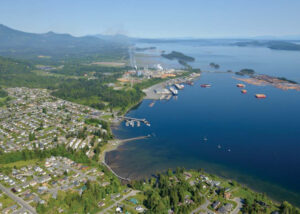
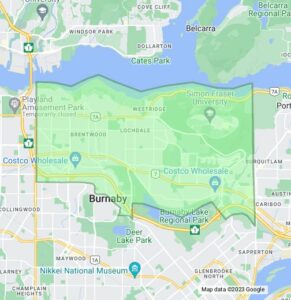
- Using the submission form, post a photo of your area (Google Street View if you do not want to show your home) on this interactive map and explain the ecological history of this space, as per this example.
- Write a 700 to 1100 word of the ecological history of this physical environment, including where applicable: pre-contact use and settlement; wildlife past and present; early settlement and resource extraction; invasive species; urban development; stewardship actions (urban stormwater retention systems; community gardens; composting facilities).
- You must show where you found your information, either through footnote citations or with links embedded in the text, or a combination of both.
- The writing can be informal, as per the Exercise 1 Sample (you may even use first person, which definitely will not fly with your historiography and major essay projects!) but correct spelling and grammar are expected.
- In most cases, given the readily available information online, this exercise need not take more than 6–8 hours to complete. It is meant to help you think historically about your environment—to read it through an ecological lens. If you live in a rural area or small town, you may think that there is less to say than what you read in the sample based on a Vancouver neighbourhood, but this is not the case. The environmental history will be very different, and you might focus far more on, say, the settlement period of the late nineteenth century, or the implications of the introduction of cattle or irrigation and less on events of the 1960s and 70s.
- Please note, you should write and edit your submission in a separate file then copy and paste it into the submission box. Once submitted to the HIST 3991 trubox site, you will not be able to edit your post.
Are you a student of HIST 3991? Click here to add a submission to this assignment.
Submissions






Latest Posts
Environmental History of Prince George
October 8, 2026 By: Sabitri Shahi
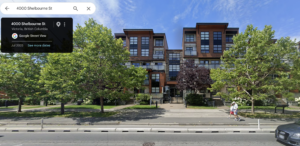
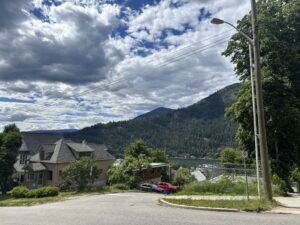
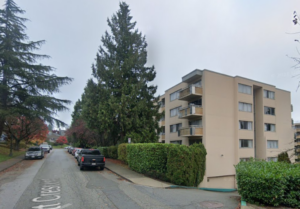
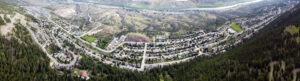
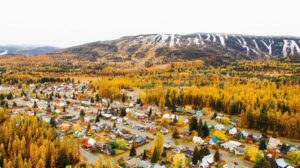
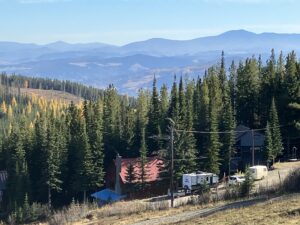
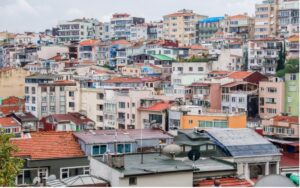
I live on Spruce Street in Prince George, which is one of the biggest and most important cities in northern BC. The city has a unique geography because it forms a basin-like structure, also known as “The Bowl,” formed by the erosion of two rivers: the Fraser River and Nechako River.1 Gently rising green hills and valleys surrounding the city give it a basin-like structure when observed from a height, which can be seen when one travels uphill.1 The city is situated within the traditional territory of the Lheidli T’enneh people, who have lived in this region for at least…
Chilliwack Environmental History
September 29, 2026 By: Allison Jakeway
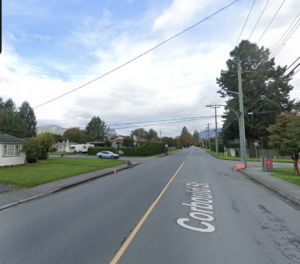
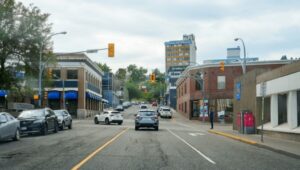
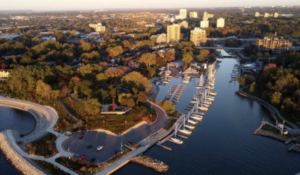
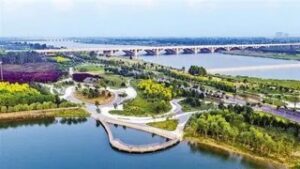
Local Environmental History of Chilliwack A few weeks ago I moved to the downtown area of Chilliwack, B.C. In the time since, I have enjoyed exploring the area by walking along the Hope River Slough which runs west beside the Skwah Reserve. I have also enjoyed being able to easily walk east towards the new 1881 District to get a coffee and study. This assignment has been a welcomed opportunity to familiarize myself further with the land, people and events that have influenced the area and one another. I began with identifying and learning about the Sto:lo people. Archeological records…
Assessment 1 The Holyrood Circle
September 5, 2026 By: Hailey Donaldson
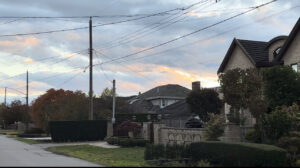
As a new resident of Kamloops living in the Aberdeen neighbourhood this is a great exercise to be better situated in my surroundings. Kamloops has been around for a long time with deep indigenous roots dating back nearly 10,000 years. Kamloops has a great ecological history regarding glaciers, unique climate, and somewhat recent urban modifications. Kamloops used to be a water filled valley, but with the high altitude of the Aberdeen neighbour, where I am living now, was never submerged. Many of the prominent hills we see today are made up of those volcanic remnants. During the ice age, the…
Parry Sound, Ontario
August 28, 2026 By: Matthew Lynch
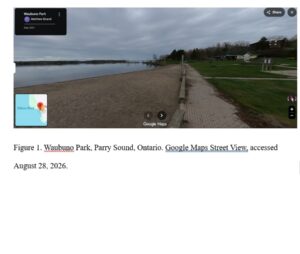
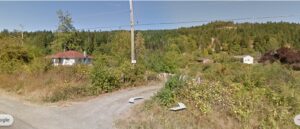
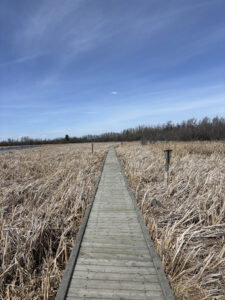
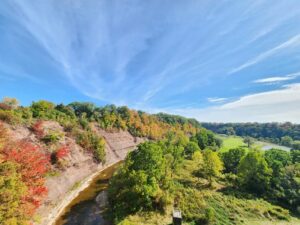
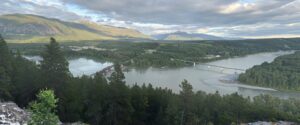
Environmental History of Parry Sound For the last several years, I have lived in the beautiful, scenic region of Parry Sound, Ontario. This region, which is situated on the Canadian Shield, has a fascinating ecological history dating back to pre-settlement times. In this essay, we will examine the environmental past of my beautiful home. Although the photo I’ve attached shows beautiful, pristine wilderness, the current state of the area is the result of centuries of interaction between humans and their environment. From Indigenous use of the land to the settlement of the Europeans to use of the land for…
Local Environmental History of Castlegar, BC
August 27, 2026 By: Makena Stratton
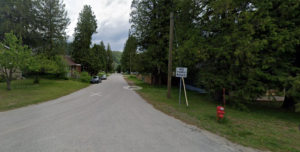
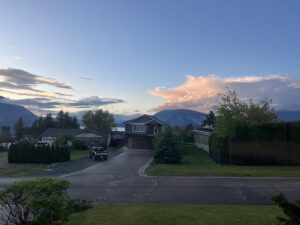
I live in the small town of Castlegar, which is a part of the West Kootenays in Southern British Columbia. I live on Prince Avenue, which is a dead-end road in a neighborhood known to the locals as the Shewchuck neighborhood, located on the outskirts of downtown Castlegar. It is an older neighborhood, with my neighbor’s house being built in 1957. Living in Castlegar and being a history major has given me an opportunity to understand how the community around me has changed over time and how Castlegar’s history is still seen today throughout the town. Castlegar is located at…