Exercise#1 Local Environmental History
January 19, 2026 By:
Location: 15778 85 ave
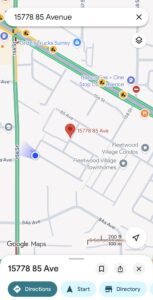
The area around Fleetwood in Surrey, BC, has undergone significant ecological changes shaped by pre-contact Indigenous use, early European settlement, resource extraction, urban development, and modern stewardship efforts. This essay explores these transformations, highlighting key periods and ecological impacts. Before European contact, the land was inhabited by the Coast Salish peoples, particularly the Kwantlen First Nation. They managed the land through practices like controlled burning to promote berry growth and maintain habitat for game animals. The Fraser River was a vital resource, providing salmon and other fish that supported their communities. Settlements were often located near waterways, reflecting the importance of aquatic resources. The Indigenous peoples had a deep understanding of local ecosystems and maintained a balance that promoted biodiversity and sustainability.
European settlement in the late 19th and early 20th centuries dramatically altered the landscape. The fertile land was cleared for agriculture, and forests were logged for timber. The introduction of farming led to the draining of wetlands and the conversion of natural habitats into agricultural fields. Resource extraction, such as logging and gravel mining, further impacted the environment. The Serpentine River, which runs through Surrey, was heavily used for transporting logs, leading to erosion and habitat degradation. These activities transformed the area from a diverse mosaic of forests, wetlands, and rivers into a more uniform agricultural landscape. Historically, the area was home to a variety of wildlife, including deer, bears, eagles, and salmon. The conversion of land for agriculture and urban development reduced habitat and fragmented ecosystems, leading to declines in many wildlife populations. Today, while some species persist, their numbers are often lower, and their ranges are restricted. Efforts to restore habitat and protect green spaces are crucial for maintaining biodiversity in the face of ongoing urban expansion.
The introduction of non-native species has further complicated the ecological history of the area. Invasive plants like Himalayan blackberry and English ivy have spread aggressively, outcompeting native vegetation and altering ecosystem structure. Invasive animals, such as European starlings and grey squirrels, have also impacted local biodiversity. These species can disrupt food webs, spread diseases, and cause economic damage. Control and management of invasive species are ongoing challenges for local conservation efforts. The rapid urbanization of Surrey in recent decades has had profound ecological consequences. As the population has grown, more land has been converted into residential, commercial, and industrial areas. This has resulted in increased impervious surfaces, such as roads and buildings, which contribute to stormwater runoff and pollution of waterways. Urban development has also led to habitat loss and fragmentation, further impacting wildlife populations. The need for sustainable urban planning and green infrastructure is increasingly recognized as essential for mitigating these impacts.
In response to the ecological challenges posed by urbanization and resource extraction, various stewardship actions have been implemented. Urban stormwater retention systems, such as rain gardens and bioswales, help to manage runoff and reduce pollution. Community gardens provide opportunities for residents to grow food and connect with nature. Composting facilities reduce waste and promote soil health. These initiatives, along with habitat restoration projects and conservation efforts, are crucial for enhancing the ecological resilience of the area. The ecological history of my land in Surrey, BC, is a story of transformation and adaptation. From the sustainable practices of the Coast Salish peoples to the impacts of European settlement and urban development, the landscape has undergone significant changes. While challenges remain, ongoing stewardship actions offer hope for a more sustainable future, where ecological health and human well-being are prioritized.
References-
- Kwantlen First Nation. (n.d.). Kwantlen First Nation. https://kwantlenfn.ca
- Metro Vancouver. (n.d.). Invasive species management strategy. https://metrovancouver.org/services/regional-parks/invasive-species
- Surrey Archives. (n.d.). Historical records and photographs. City of Surrey. https://www.surrey.ca/arts-culture/surrey-archives
- Surrey Environmental Partners. (n.d.). Community programs. https://www.surreyenvironmentalpartners.ca
- City of Surrey. (n.d.). Sustainability plan. https://www.surrey.ca/city-government/initiatives-projects/sustainability